


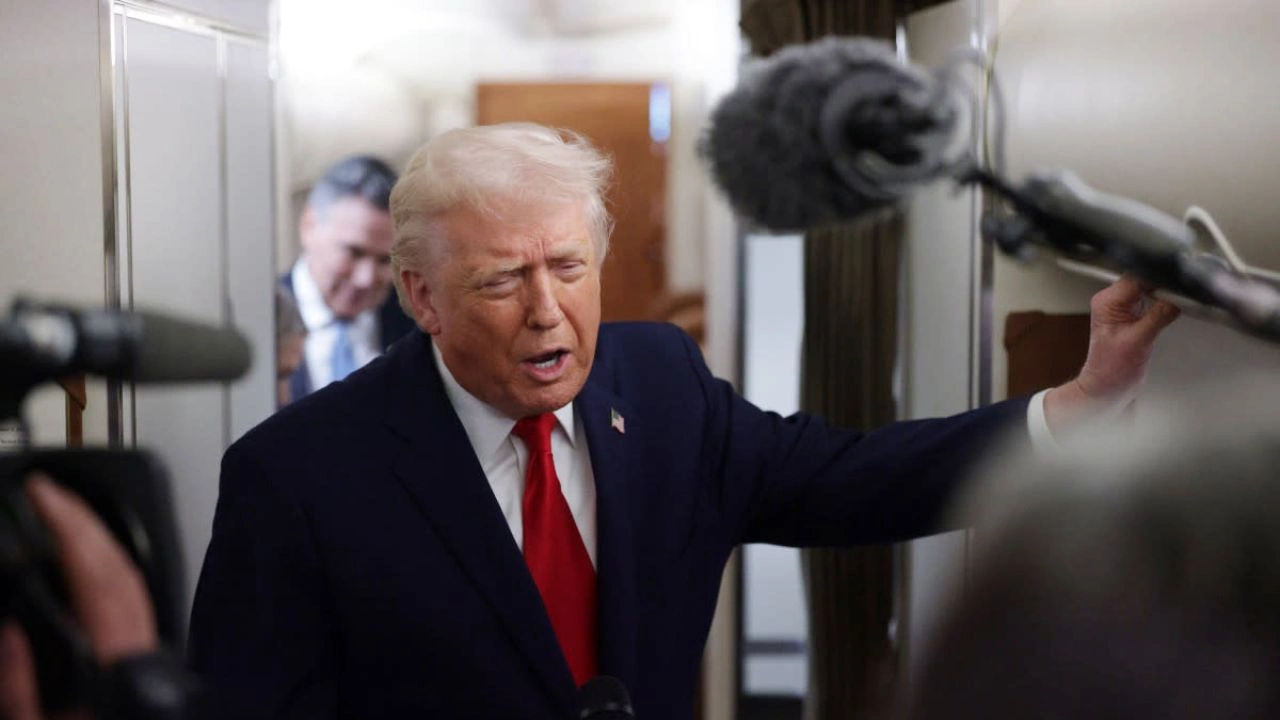
Gambling winnings in the United States are currently considered taxable income. Individuals who win money from casinos, sports betting, lotteries, or other gambling activities are generally required to report those earnings when filing their federal tax returns. The statement that Trump indicates he could support scrapping taxes on gambling earnings has therefore attracted attention from both the gambling industry and taxpayers.
Understanding the proposal that Trump indicates he could support scrapping taxes on gambling earnings
Current taxation of gambling winnings
Under current United States tax law, gambling winnings are treated as taxable income. This means that individuals must report money earned from gambling activities when filing their federal tax returns. The Internal Revenue Service requires taxpayers to report winnings from activities such as casino games, sports betting, horse racing, and lottery prizes.
In many cases, casinos or betting operators may withhold taxes directly from large winnings before the money is paid out to the winner. Even smaller amounts must still be reported as income.
Because of these existing rules, the suggestion that Trump indicates he could support scrapping taxes on gambling earnings represents a potentially significant change to the current tax system.
Why the idea has gained attention
The statement that Trump indicates he could support scrapping taxes on gambling earnings has sparked discussions among economists, policymakers, and gambling industry leaders. Supporters of the idea argue that removing taxes on gambling income could encourage more tourism and spending within the gaming industry.
Casinos, online betting platforms, and other gambling businesses might see increased participation if players were able to keep all of their winnings without paying taxes.
However, critics of the proposal note that eliminating taxes on gambling income could reduce federal revenue and raise questions about fairness within the tax system.
Potential impact on gamblers and the gambling industry
Effects on casual gamblers
If Trump indicates he could support scrapping taxes on gambling earnings and such a policy were adopted, casual gamblers might benefit from keeping the full amount of their winnings. Currently, individuals must factor taxes into their potential profits when participating in gambling activities.
Removing the tax requirement could make gambling appear more attractive to occasional players who visit casinos or participate in sports betting.
However, experts caution that gambling remains a form of entertainment and carries financial risks regardless of tax rules.
Implications for professional gamblers
Professional gamblers who rely on betting or gaming as a primary source of income would likely experience the most direct impact if Trump indicates he could support scrapping taxes on gambling earnings. At present, professional gamblers must treat their winnings as taxable income and maintain detailed financial records.
If taxes were removed from gambling earnings, professional gamblers could potentially retain a larger share of their profits. This change could alter the economics of professional gambling and affect how individuals approach gaming as a career.
Impact on the gaming industry
The gaming industry could also benefit if Trump indicates he could support scrapping taxes on gambling earnings. Casinos, sportsbooks, and online gambling platforms might experience increased activity as players become more interested in gambling opportunities.
Some industry observers believe that tax-free winnings could attract more visitors to casino destinations and increase participation in legal betting markets.
At the same time, policymakers would need to consider how such a policy might affect government tax revenue.
Economic considerations surrounding gambling tax policy
Potential effects on government revenue
One of the main concerns related to the idea that Trump indicates he could support scrapping taxes on gambling earnings is the potential loss of government tax revenue. Taxes collected from gambling winnings contribute to federal revenue, which helps fund public programs and services.
Eliminating these taxes could reduce the amount of money available for government spending unless alternative revenue sources are introduced.
Influence on gambling behavior
Another consideration involves how tax policy might influence gambling behavior. If taxes on gambling earnings were removed, some analysts believe that participation in gambling activities could increase.
While this could boost the gaming industry, it might also raise concerns about responsible gambling and financial risk for individuals.
Public policy decisions related to gambling often attempt to balance economic benefits with social considerations.
Political context of the proposal
Ongoing debates about tax reform
The statement that Trump indicates he could support scrapping taxes on gambling earnings appears within a broader conversation about tax reform and economic policy. Political leaders frequently propose adjustments to tax systems in order to stimulate economic activity or address perceived inefficiencies.
Supporters of tax reductions often argue that lower taxes can encourage spending and investment.
Opponents may emphasize the need to maintain sufficient tax revenue to support government programs.
Possibility of future legislative action
Although Trump indicates he could support scrapping taxes on gambling earnings, any major change to tax law would require legislative approval. Congress would need to review and pass legislation modifying the existing tax code.
As a result, the proposal remains part of an ongoing policy discussion rather than an immediate change to current regulations.
Future debates among lawmakers could determine whether such a policy moves forward.