
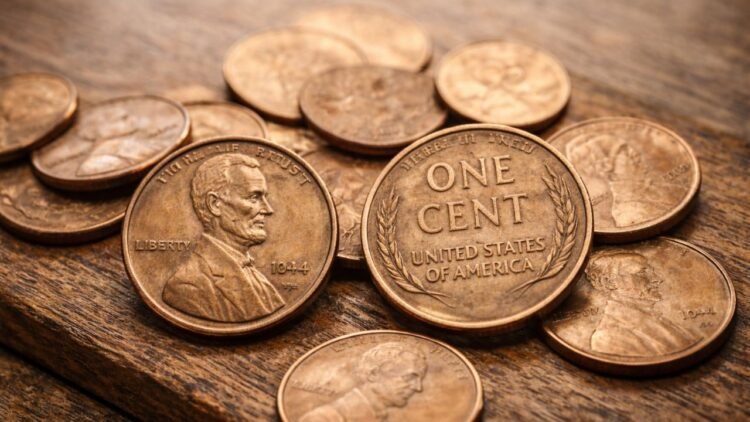
The Wheat Penny continues to captivate collectors and investors alike in 2026. Officially known as the Lincoln Wheat Cent, this historic U.S. coin has become one of the most searched collectible coins due to its age, rarity, and surprising value potential. Whether you are a beginner researching how much a wheat penny is worth in 2026 or a seasoned numismatist hunting for rare wheat penny errors, this detailed guide covers everything you need to know.
What Is a Wheat Penny?
The Wheat Penny, also called the Lincoln Wheat Cent, was minted in the United States from 1909 to 1958. Designed by Victor David Brenner, the coin features President Abraham Lincoln on the front and two wheat stalks on the reverse, symbolizing prosperity.
These coins were produced at three primary mints:
- Philadelphia (no mint mark)
- Denver (D mint mark)
- San Francisco (S mint mark)
Because millions were produced annually, most wheat pennies are common. However, certain key dates, low-mintage coins, and minting errors can significantly increase a wheat penny’s value in 2026.
How Much Is a Wheat Penny Worth in 2026?
Wheat penny values vary based on year, mint mark, condition, and rarity. Circulated coins typically range from a few cents to several dollars. However, uncirculated examples or rare key dates can be worth hundreds or even thousands of dollars.
General Wheat Penny Value Chart for 2026
Below is an estimated price guide for common wheat pennies in 2026.
| Condition | Common Dates (1930–1958) | Better Dates (1909–1930) |
|---|---|---|
| Good (G-4) | $0.05 – $0.25 | $0.50 – $2 |
| Fine (F-12) | $0.25 – $0.75 | $2 – $5 |
| Extremely Fine (EF-40) | $1 – $3 | $5 – $15 |
| Uncirculated (MS-60+) | $5 – $20 | $20 – $100+ |
Rare key date wheat pennies can exceed these ranges significantly.
Key Date Wheat Pennies to Watch in 2026
Some wheat pennies are especially valuable due to limited production numbers or minting anomalies. If you are searching for valuable wheat pennies to look for in pocket change, these are the most important dates.
1909-S VDB Wheat Penny
The 1909-S VDB is one of the most famous and sought-after Lincoln cents. Only 484,000 were minted at the San Francisco Mint before the designer’s initials were removed.
In 2026:
- Circulated examples: $700 – $1,200
- Uncirculated coins: $2,000 – $4,000+
1914-D Wheat Penny
The 1914-D is another scarce coin due to low mintage from the Denver Mint.
In 2026:
- Circulated condition: $200 – $400
- Mint State examples: $2,000+
1922 No D Wheat Penny
This coin resulted from a weak strike at the Denver Mint, causing the “D” mint mark to disappear on some pieces.
Estimated 2026 value:
- Fine condition: $500 – $900
- Uncirculated: $5,000+
1931-S Wheat Penny
While not as rare as others, the 1931-S had relatively low production numbers.
Typical 2026 values:
- Circulated: $80 – $150
- Uncirculated: $300 – $800
1955 Doubled Die Wheat Penny
One of the most famous error coins in American numismatics, the 1955 Doubled Die shows noticeable doubling on the date and lettering.
In 2026:
- Circulated examples: $1,200 – $2,500
- High-grade versions: $10,000+
Rare Wheat Penny Errors That Increase Value
Mint errors can make ordinary wheat cents highly collectible. If you are learning how to check wheat penny errors in 2026, pay attention to these types:
Doubled Dies
Visible doubling on letters and numbers, especially the date.
Off-Center Strikes
Coins struck improperly, leaving part of the design missing.
Repunched Mint Marks
Mint marks punched more than once, creating overlapping impressions.
Clipped Planchets
Coins with curved missing sections due to improper metal cutting.
Error coins can range from $50 to several thousand dollars depending on rarity and condition.
What to Check When Evaluating a Wheat Penny
Understanding how to determine wheat penny value in 2026 requires careful inspection. Here’s what to examine:
1. Date and Mint Mark
Check beneath the date for a D or S mint mark. Certain combinations dramatically increase value.
2. Condition (Grade)
Coins are graded on a scale from Poor (P-1) to Mint State (MS-70). Higher grades command significantly higher prices.
3. Surface Quality
Look for corrosion, scratches, cleaning marks, or discoloration. Cleaned coins often lose value.
4. Color
Copper coins are categorized as:
- Brown (BN)
- Red-Brown (RB)
- Red (RD)
Red uncirculated wheat pennies are typically the most valuable.
5. Authenticity
For high-value coins like the 1909-S VDB or 1955 Doubled Die, professional grading by PCGS or NGC is recommended.
Why Wheat Pennies Remain Valuable in 2026
Several factors continue driving wheat penny value trends in 2026:
- Growing interest in coin collecting among younger investors
- Rising copper prices
- Historical significance of early 20th-century U.S. coins
- Increasing demand for certified rare wheat pennies
Additionally, many people still discover valuable wheat pennies in old jars, inherited collections, or estate sales.
Tips for Finding Valuable Wheat Pennies
If you want to learn how to find valuable wheat pennies in circulation in 2026, follow these strategies:
- Search bank rolls of pennies
- Check inherited coin collections carefully
- Attend estate sales and flea markets
- Use a magnifying glass when inspecting dates
- Compare with updated wheat penny value charts
Patience and knowledge are key when identifying rare Lincoln Wheat Cents.
Investment Potential of Wheat Pennies
While not every wheat penny is worth a fortune, certain key dates and high-grade examples have shown steady appreciation. Coins graded MS-65 and above, especially key dates, often outperform common circulated pieces.
Collectors focusing on complete wheat penny date and mint mark sets in high condition may see long-term value growth.
However, like all collectibles, prices fluctuate. It is important to stay updated with current 2026 wheat penny price guides and auction results.